Thermal oxidisers for VOC and hazardous gas destruction
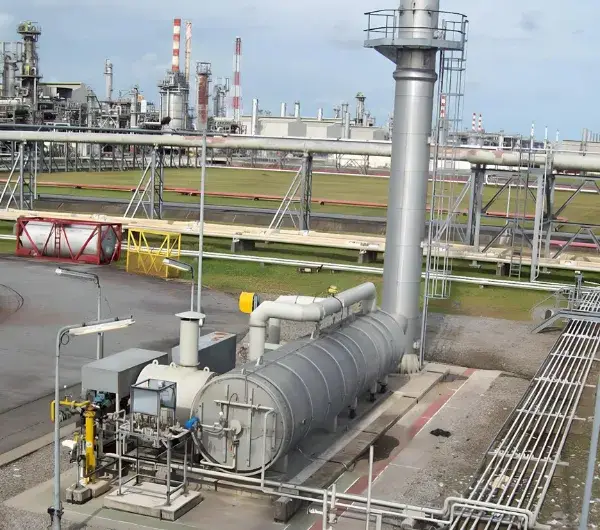
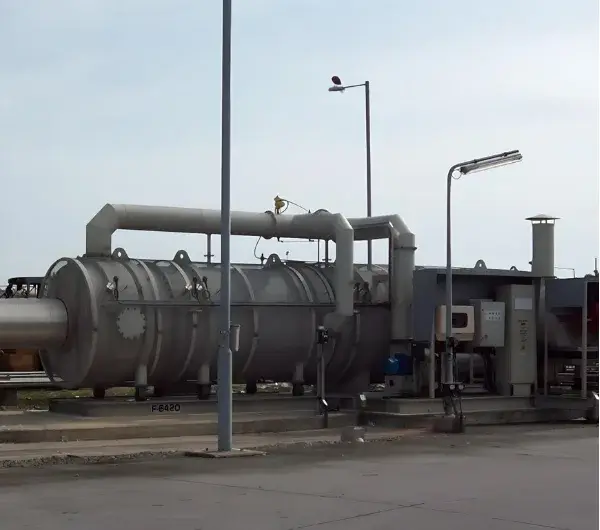
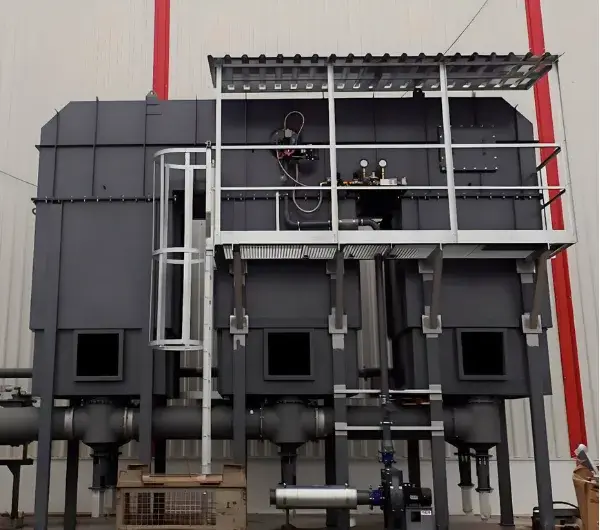
ERG thermal oxidisers provide high‑temperature thermal oxidation of contaminated process gases to meet IED (2010/75/EU) emission limits for VOCs, CO and other organic compounds. Systems are configured for the required destruction removal efficiency (DRE), heat recovery and integration with downstream flue gas treatment, and are designed to match project‑specific process, safety and regulatory requirements.
Thermal oxidation systems and configurations
Thermal oxidation is a well‑established method for treating contaminated process gases to meet IED (2010/75/EU) emission targets. ERG offers a range of thermal oxidiser configurations to match project requirements, including:
After burners / residence chambers
Pyrolysis chambers with temperatures above approximately 650 °C
Pre‑combustion chambers with temperatures above approximately 850 °C
Direct‑fired oxidation systems achieving up to 100% DRE (with alternative methods of heat recovery available)
Recuperative thermal oxidation achieving >99% DRE and around 75% heat recovery
Regenerative thermal oxidation achieving approximately 98% DRE and up to 95% heat recovery
Cooling systems so that the flue gas temperature delivered to downstream plant is controlled between the dew point and approximately 850 °C
Post‑combustion NOx abatement systems where required
These configurations allow the thermal oxidiser to be optimised for energy efficiency, operating cost and overall air pollution control system performance.
Features and capabilities of ERG thermal oxidiser systems
ERG systems offer the following features:
Thermal destruction of solid, sludge, liquid (aqueous / organic) and gaseous streams.
Turndown capability typically up to 5:1 on‑ratio, with up to 10:1 overall operating range.
Process guarantees covering TOC, CO, dust, dioxin and NOx emissions.
Burner designs that can use the process stream as combustion air.
Gas‑ or liquid‑fuel‑fired systems.
Destruction of amine‑, halogen‑ and sulphur‑containing hydrocarbons.
Integrated systems including downstream flue gas pollutant abatement where required.
ERG designs thermal oxidation systems for maximum destruction efficiency by ensuring:
Homogeneous and uniform distribution of stream contaminants in the oxidation chamber.
Oxygen control to achieve approximately 6% excess O₂ in the flue gas.
Heat recovery or addition of fuel to raise the stream to the required oxidation temperature, typically in the 750–1,100 °C range depending on the process and DRE requirement.
Standards and compliance
Thermal oxidiser systems are designed and supplied in compliance with relevant engineering and safety standards, including as applicable:
EN 746‑1 – Common safety requirements for industrial thermoprocessing equipment.
EN 746‑2 – Safety requirements for combustion and fuel handling equipment.
EN 298 – Automatic gas burner control systems.
NFPA 82 – Incinerators.
NFPA 86 – Ovens and furnaces.
These standards support safe operation, burner management, interlocking and overall system integrity for thermal oxidation plants.