Toxic heavy metal and dioxin destruction in flue gases
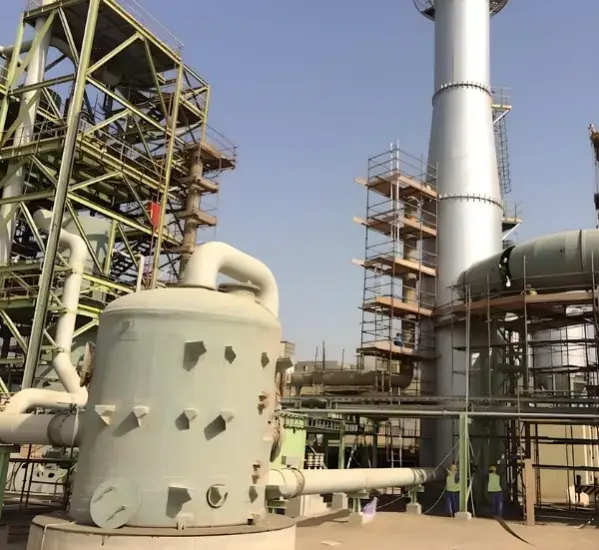
ERG designs and supplies flue gas treatment systems to control toxic heavy metals and dioxins/furans, often alongside acid gases, particulates and NOx, in waste‑derived and process‑derived combustion gases. Solutions are configured to meet Industrial Emissions Directive (IED) limits and site‑specific permit conditions, and are integrated with upstream combustion and downstream gas cleaning stages.
Applications requiring toxic metal and dioxin control
Toxic heavy metal and dioxin destruction is typically required where flue gases are generated from:
Fire testing facilities and burn rigs, where mixed plastics, composites and treated materials release metals, halogens and organics into the exhaust.
Waste‑derived fuels or contaminated feedstocks in process furnaces, kilns and incinerators.
Specialist thermal processes in chemical, metallurgical and surface treatment industries where metals and organochlorine compounds may form volatile species and dioxins in the flue gas.
In these cases, ERG’s gas cleaning systems are engineered to suit each application and are supplied with a process guarantee covering the relevant regulated parameters.
Typical flue gas treatment approach
Depending on the duty, ERG’s toxic heavy metal and dioxin control systems may combine:
Thermal oxidation or post‑combustion stages to ensure complete destruction of organic precursors.
Rapid quench and sub‑cooling to pass quickly through the dioxin “re‑formation window” and stabilise the gas temperature.
Particulate control using venturi scrubbers, tray towers or upstream filtration (for example bag filters or ceramic/candle filters from partner companies) to capture metal‑bearing particulates.
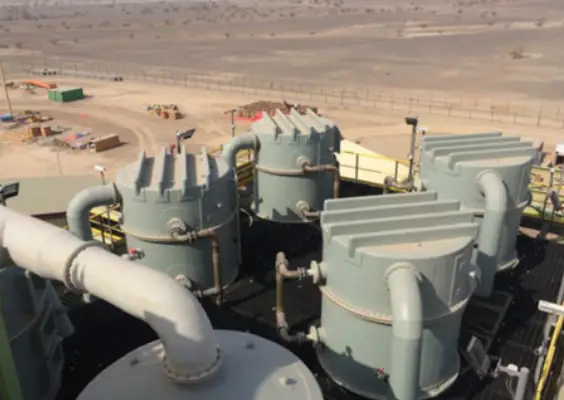
Wet scrubbing stages (packed towers, V‑tex® scrubbers) for acid gas removal and soluble metal species capture as part of a broader multi‑pollutant abatement train.
Packages are tailored to the flue gas composition, temperature profile and emission limits, with materials of construction and reagent schemes selected to match corrosive and fouling conditions.
For specific applications, ERG’s sales and applications team can review flue gas data, relevant IED or local limits, and any co‑pollutant requirements (for example SO₂, HCl, HF, NOx and particulate) before proposing an appropriate configuration. Reference projects can be provided on request in similar industries and flue gas duties.
Maeve
Hi, I'm Maeve, ERG's virtual assistant.
Would you like to chat with an expert, or are you just browsing?
No problem. Feel free to look around — I'm here if you need me.
What is your enquiry about?
Great. Can you leave your details so the right person can get back to you?
Please give us a short description of your enquiry.
We'll only use your details to respond to your enquiry.
Sending your enquiry…
Thank you. One of our experts will contact you shortly.
Sorry, something went wrong sending your enquiry. Please try again in a moment.