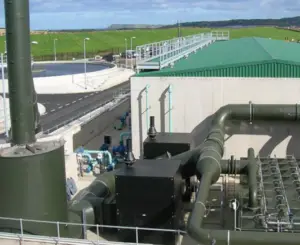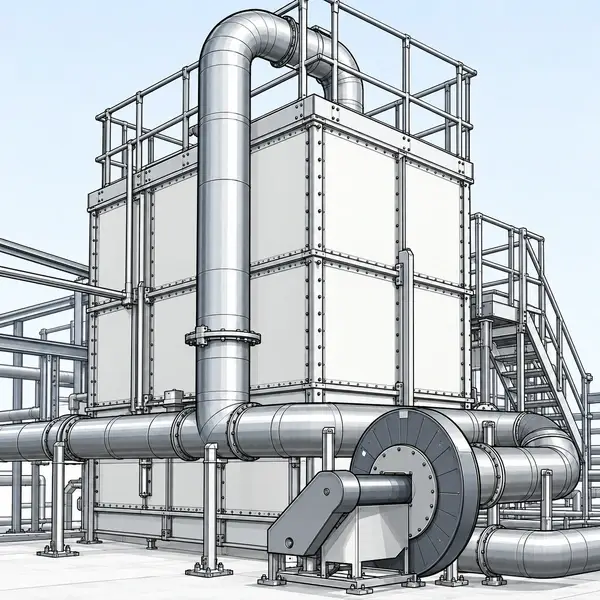
What Are Bio-Trickling Filters?
Bio-trickling filters are a biological air pollution control system that uses naturally occurring bacteria to break down odour-causing compounds — such as hydrogen sulphide (H₂S), mercaptans and ammonia — as contaminated air passes through a wetted media bed. Rather than relying on chemicals or activated carbon, the pollutants are absorbed into a thin film of water and consumed by bacteria growing on the media, converting them into harmless by-products such as sulphuric acid and water, which are washed away.
How Do Bio-Trickling Filters Work?
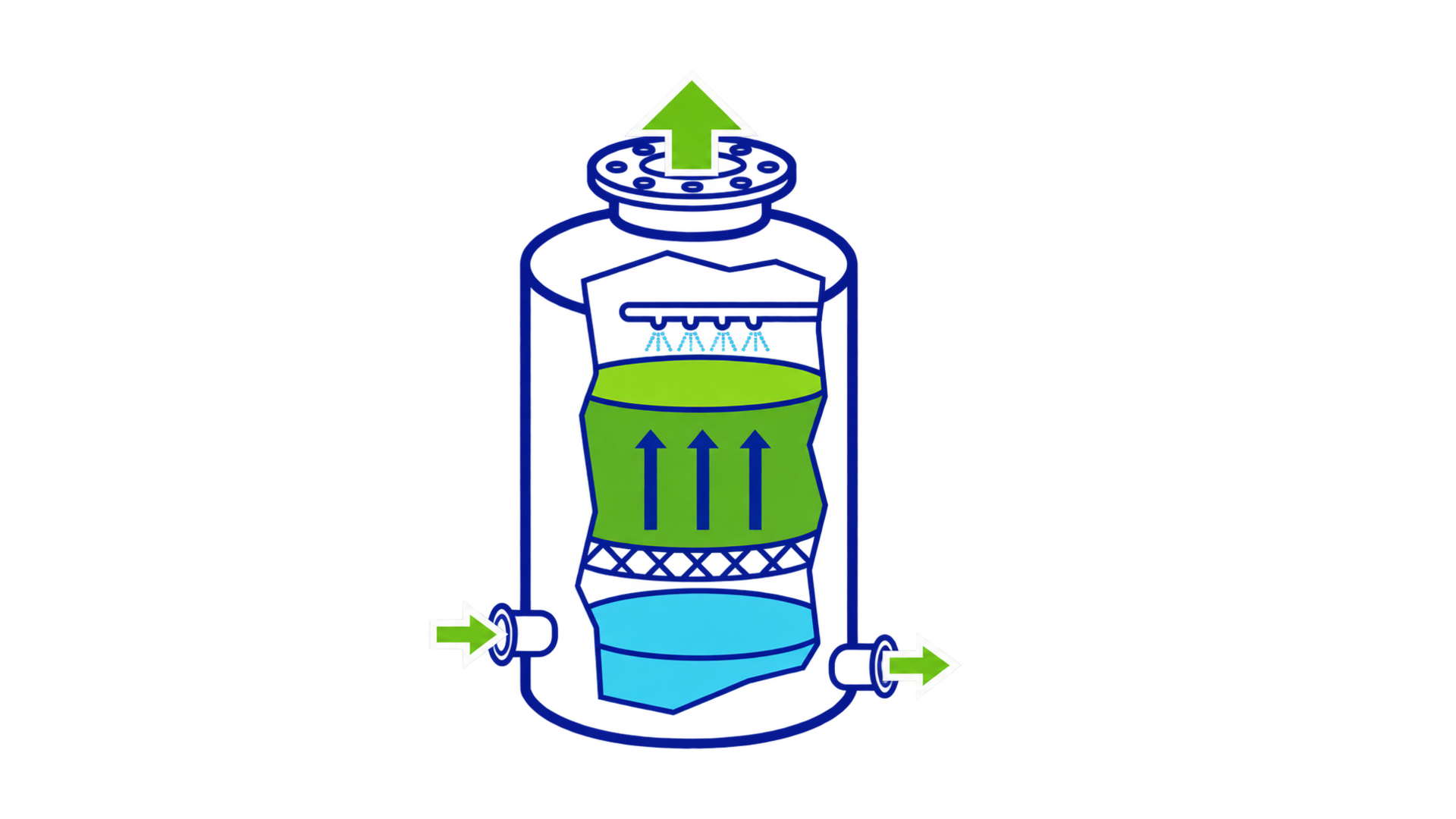
A bio-trickling filter combines three elements inside a single vessel: an inert media bed, a population of odour-degrading bacteria, and a continuous trickle of water.
- Contaminated air enters the vessel. Odorous air is drawn upward (or across) through a bed of inert media — commonly durable pumice stone or structured synthetic material.
- Pollutants dissolve into the water film. As the air moves through the bed, odour compounds dissolve into a thin liquid film that coats the media, where a “cocktail” of pre-seeded bacteria, enzymes and nutrients has colonised the surface.
- Bacteria break the pollutants down. The bacteria metabolise the dissolved compounds — oxidising H₂S into sulphuric acid, and organic odour compounds into carbon dioxide and water.
- By-products are washed away. Water trickles once through the bed (rather than recirculating), carrying spent by-products to drain, while clean air exits the top of the vessel.
Because the process relies on living bacteria rather than a consumable chemical or carbon charge, a well-maintained bio-trickling filter can run for years with low day-to-day intervention — the biomedia itself can last up to 20 years.
What Do Bio-Trickling Filters Remove?
Bio-trickling filters are particularly effective against compounds that are readily biodegradable, including:
- Hydrogen sulphide (H₂S) — routinely achieving over 99% removal efficiency
- Mercaptans and organic (reduced) sulphur compounds
- Ammonia (NH₃)
- Soluble volatile organic compounds (VOCs)
They are less effective on non-biodegradable or highly variable pollutant loads, where a chemical scrubber or carbon filter may be better suited, either instead of or alongside a bio-trickling filter.
Types of Bio-Trickling Filter System
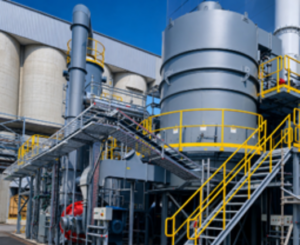
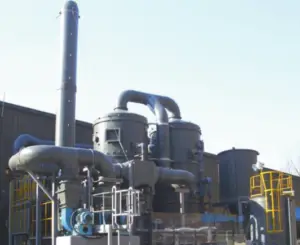
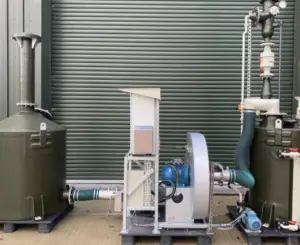
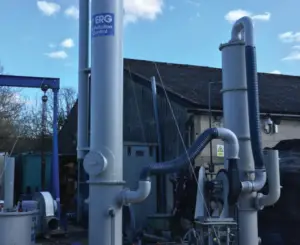
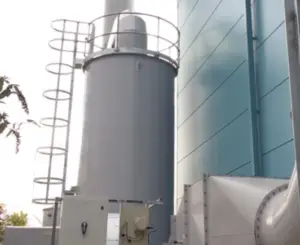
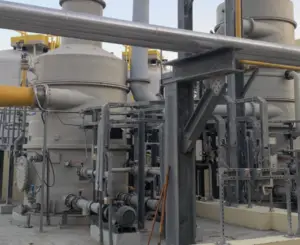
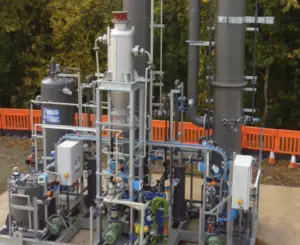
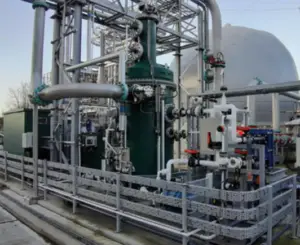
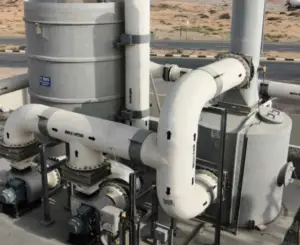
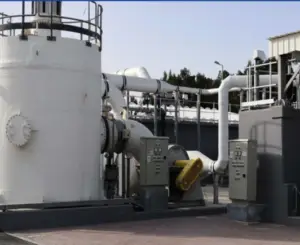
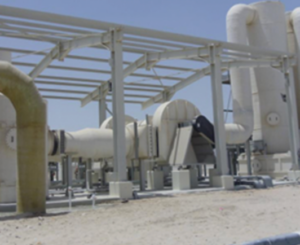
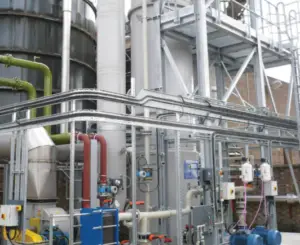
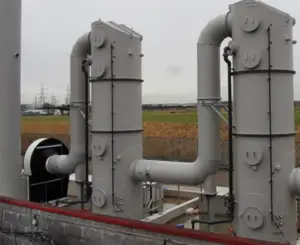
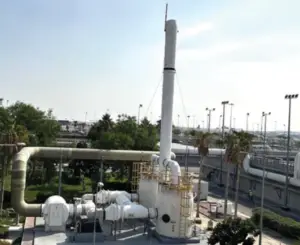
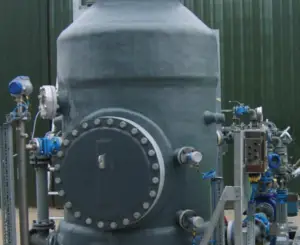
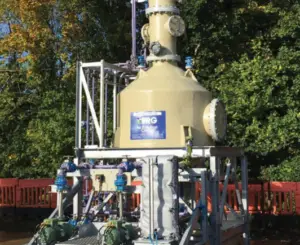
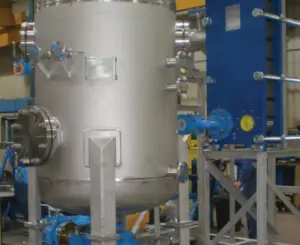
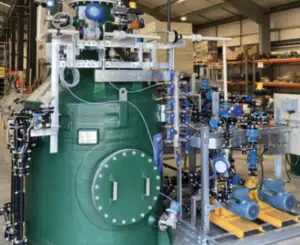
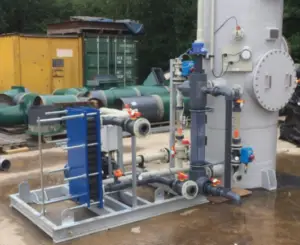
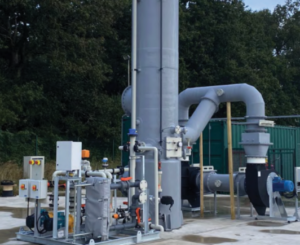
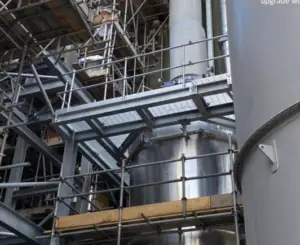
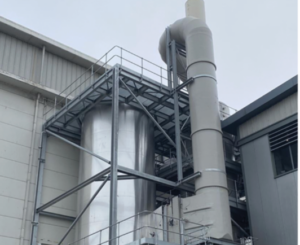
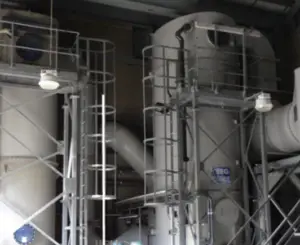
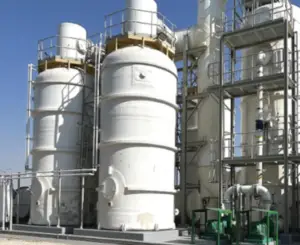
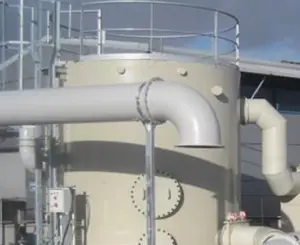
- Cylindrical vessels — the standard configuration for airflows up to around 3,000 m³/hr.
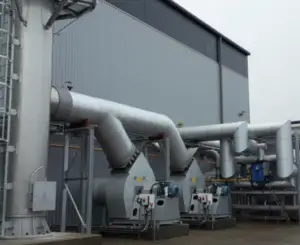
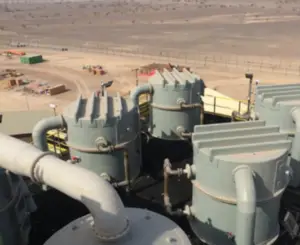
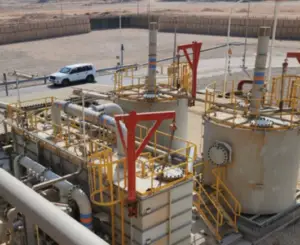
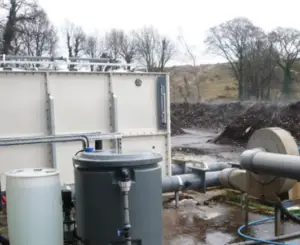
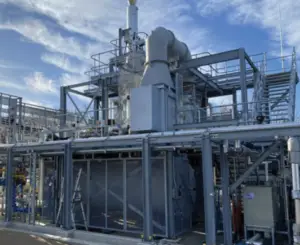
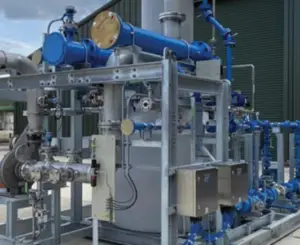
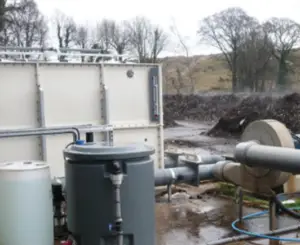
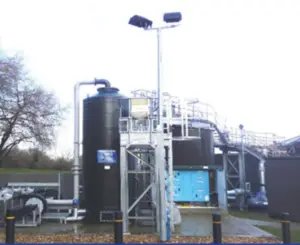
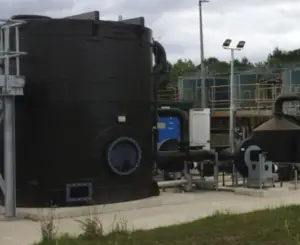
- Modular sectional tanks — used for larger sites, handling airflows up to 25,000 m³/hr or more.
- Pumice media systems — inert, long-life media (up to 20 years) that resists acidification and compaction.
- Structured plastic media systems — an alternative media option offering high surface area for bacterial growth.
Systems can be supplied as a stand-alone package or combined with downstream polishing filters for sites needing to meet tighter odour discharge limits.
Where Are Bio-Trickling Filters Used?
Bio-trickling filters are most commonly found in:
- Wastewater and sewage treatment — controlling odour at pumping stations, inlet works and sludge handling areas
- Municipal and food waste processing — treating odour from waste reception halls, composting and anaerobic digestion
- Industrial effluent treatment — managing process odours from a range of manufacturing sites
- Pharmaceutical and chemical sites — upgrading or replacing existing biological systems to improve VOC removal from tank farm vents
They are frequently paired with a downstream carbon filter, which “polishes” any residual odour the biological stage doesn’t fully remove, helping sites reliably achieve discharge limits below 1,000 ouE/m³.
Bio-Trickling Filters vs. Other Air Pollution Control Technologies
- Chemical scrubbers remain the better fit where rapid start-up is critical or pollutant loads are non-biodegradable or highly irregular. Where conditions are stable and loads are biodegradable, bio-trickling filters typically offer the lower-cost, lower-chemical, more sustainable route to the same discharge target.
- Carbon filters are often used downstream of a bio-trickling filter as a final polishing stage, rather than as an alternative — the biological stage handles the bulk of the H₂S and odour load, while carbon mops up any remainder.
- Bio scrubbers are a related biological technology that recirculates water rather than using it once-through; bio-trickling filters generally achieve higher removal efficiency and support a more diverse bacterial population as a result.
Benefits and Limitations
Benefits:
- Low chemical use and low operating costs
- Long media life (up to 20 years for pumice-based systems)
- Compact footprint relative to removal capacity
- Reliably handles high H₂S loads (over 200 ppm) with removal efficiencies exceeding 99%
- Environmentally sustainable compared with chemical-dosed alternatives
Limitations:
- Requires stable operating conditions (pH, temperature, nutrients) to keep the bacterial population healthy
- Less suited to non-biodegradable pollutants or highly irregular process conditions
- Produces an acidic effluent that must be managed and discharged correctly
- Start-up (bacterial colonisation) can take longer than switching on a chemical or carbon system
Frequently Asked Questions
What is a bio-trickling filter used for?
A bio-trickling filter is used to biologically remove odour-causing compounds — mainly hydrogen sulphide, mercaptans and ammonia — from industrial and wastewater air streams before discharge to atmosphere.
How is a bio-trickling filter different from a biofilter?
Both use bacteria growing on a media bed, but a bio-trickling filter continuously trickles water over inert media (such as pumice or plastic), while a traditional biofilter typically uses organic media that is periodically watered rather than continuously irrigated. Bio-trickling filters generally achieve more consistent, higher-efficiency removal as a result.
How long does the media last in a bio-trickling filter?
Inert pumice media used in ERG’s systems can last up to 20 years without decaying, acidifying or compacting, so removal performance stays consistent over the long term.
What happens to the effluent a bio-trickling filter produces? As bacteria break down odour compounds, the process generates a stable, usually acidic effluent (from H₂S oxidising into sulphuric acid), which drains from the vessel and must be managed appropriately — either to a suitable discharge point or for on-site pH treatment. This is a normal, designed-for by-product rather than a fault, and is one of the operating considerations to plan for alongside a bio-trickling filter installation.
Explore ERG’s Bio-Trickling Filter Technology
ERG designs and manufactures bio-trickling filters — as stand-alone systems or combined with downstream carbon polishing — for wastewater, municipal waste and industrial odour control applications.
- See ERG’s full technical bio-trickling filter range: Bio Trickling Filters
- See how bio-trickling filters are used for VOC removal at pharmaceutical tank farms: Biological Destruction of VOCs
- Explore complete odour control system design: Odour Control Systems
- See bio-trickling filters in a municipal and food waste context: Municipal Waste
- Read the companion guide on the carbon filters often paired downstream: Carbon Filters Guide
Talk to our team about a sustainable, low-chemical odour control solution for your site.